Paris Clears Out Residents for the 2024 Olympics: The Cost of Creating a Facade

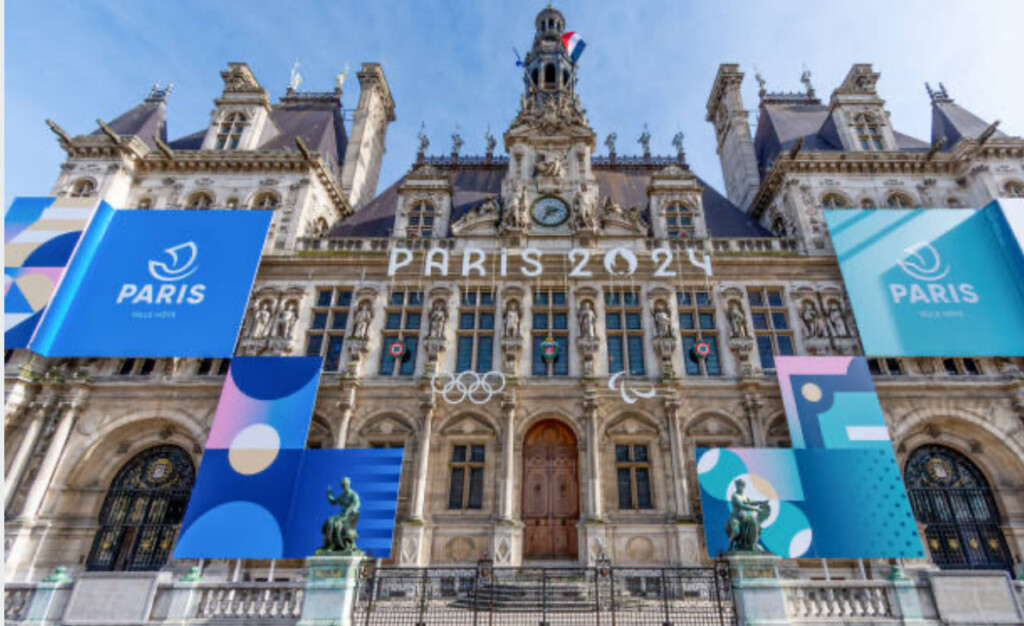
As Paris prepares to host the 2024 Summer Olympics, a wave of transformations is sweeping across the city. While the Games promise a spectacle of sportsmanship and global unity, they also bring a less visible but equally significant consequence: the displacement of residents. This practice, often overshadowed by the grandeur of the event, raises critical questions about the ethics and implications of such large-scale urban renewal efforts.
The Displacement Dilemma
In the months leading up to the Olympics, numerous neighborhoods in Paris have undergone extensive redevelopment. While city officials argue that these changes are necessary to accommodate the influx of visitors and athletes, the impact on local communities is profound. Residents, particularly those from low-income areas, are being forced out of their homes to make way for new infrastructure, hotels, and sports facilities.
This displacement is not just a matter of relocating people; it disrupts lives, breaks up communities, and often forces individuals into more precarious living situations. The promise of improved urban spaces and better amenities for the future does little to alleviate the immediate hardship faced by those being uprooted.
Creating a Façade
The drive to present a flawless image to the world during the Olympics is a powerful motivator for host cities. The Olympics are not just a sporting event; they are a showcase of national pride and urban sophistication. For Paris, a city renowned for its beauty and cultural heritage, maintaining this image is paramount. However, this often leads to prioritizing appearances over the well-being of its residents.
The extensive clean-up efforts, beautification projects, and infrastructural upgrades are all part of creating a façade that aligns with the global expectations of an Olympic host city. But at what cost? The glossing over of social issues and the displacement of marginalized communities reveal a troubling side of this quest for perfection.
The Broader Implications
The practice of displacing residents for large events like the Olympics is not unique to Paris. It has been observed in previous host cities such as Rio de Janeiro, Beijing, and London. Each of these cities undertook significant urban renewal projects, often at the expense of vulnerable populations. This pattern raises broader ethical questions about the responsibilities of cities and the international community when hosting such events.
Is it justifiable to displace thousands in the name of global spectacle? Can the benefits of hosting the Olympics, such as economic boost and increased tourism, ever truly compensate for the social costs? These are complex questions that require a deep re-evaluation of how we approach urban development and global events.
Moving Forward
As Paris continues its preparations, it is crucial for city officials and the international community to address the ethical dimensions of displacement. Transparent communication, fair compensation, and efforts to minimize disruption to local communities should be prioritized. Furthermore, there should be a global standard for how host cities handle such situations, ensuring that the rights and well-being of residents are safeguarded.
While the Olympics offer a unique opportunity to celebrate human achievement and cultural exchange, they should not come at the expense of the very people who make cities vibrant and diverse. The true legacy of the Paris 2024 Olympics will not only be measured by the medals won or the records broken, but also by how the city balances its global aspirations with the rights and needs of its residents. The world must see beyond the façade and recognize the real costs of creating a perfect image.
Recommend0 recommendationsPublished in Being Human